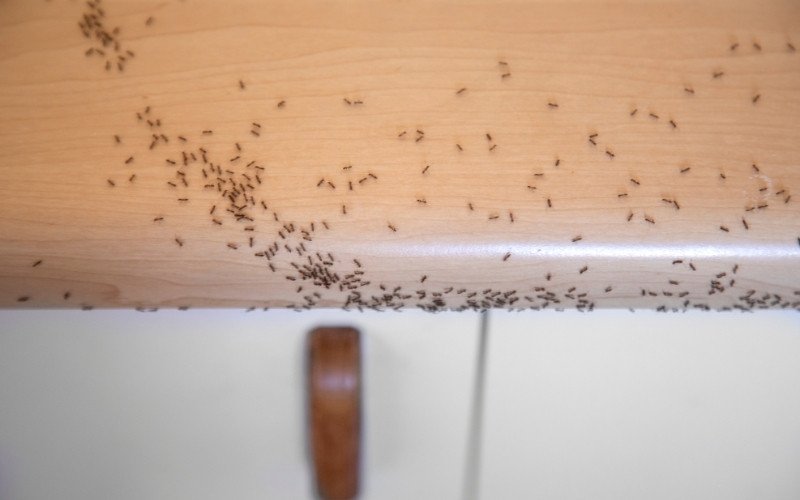
Carpenter ants are a common problem for homeowners, especially in regions like Canada, where these pests thrive both outdoors and indoors. Although these ants appear harmless due to their size, they can cause significant structural damage to your home. These ants tunnel through wood to create their nests, which can damage the integrity of your home’s foundation, beams, and wooden structures.
This article will explain how to control carpenter ants in your house, provide effective treatment methods, and offer solutions to prevent infestations.
TL;DR
Carpenter ants can cause significant structural damage to your home by tunneling through wood. To get rid of them, identify entry points, fix moisture issues, seal cracks, and use effective treatments like baits and insecticides. If you’re facing a serious infestation, professional help from Barrie Pest Control is the best solution to ensure long-term protection.
Table of Contents
Carpenter Ants vs. Other Black Ants
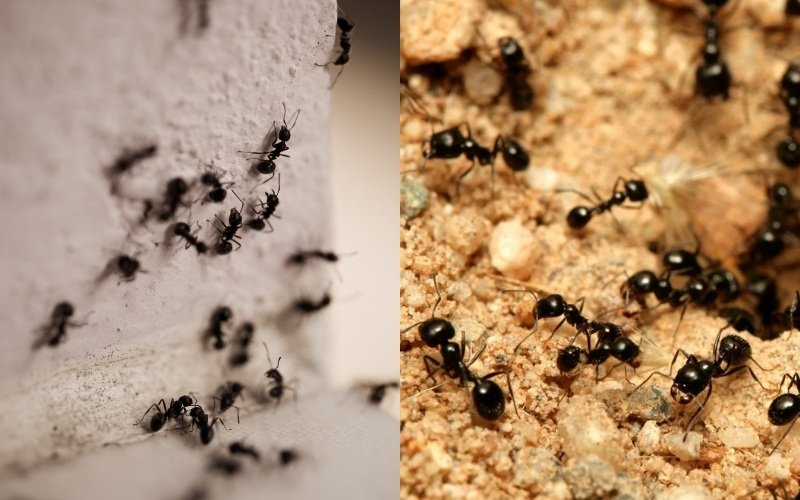
Carpenter ants are larger than most black ants, usually black or reddish in color. Unlike typical ants, carpenter ants can chew and tunnel through wood, causing structural damage. This makes them distinct from other ants, which generally don’t inflict such damage. These ants leave behind small piles of sawdust-like debris at their tunnel entrances, a clear sign of their presence. Identifying these ants correctly is crucial for determining the right control measures.
How Do Carpenter Ants Get into a Home?
These ants are larger than most black ants, usually black or reddish in color. Unlike typical ants, these ants can chew and tunnel through wood, causing structural damage. This makes them distinct from other ants, which generally don’t inflict such damage. It leaves behind small piles of sawdust-like debris at their tunnel entrances, a clear sign of their presence. Identifying carpenter ants correctly is crucial for determining the right control measures.
These type of ants typically enter homes through multiple entry points, particularly where there are moisture problems. The common entryways include:
- Kitchens and Bathrooms: Moisture from sinks, dishwashers, or toilets can attract carpenter ants in search of water and food sources.
- Roofs and Basements: Leaky pipes and roofs soften wood, making it easier for ants to tunnel inside. These areas serve as major entry points.
- Utility Lines: It can travel through utility lines, tree branches, or shrubs that touch the house. Once inside, they often nest in hidden places like wall voids, attics, and crawl spaces.
What Attracts Carpenter Ants to a House?
Moisture and decaying wood are the primary attractants. To prevent an infestation, address the following:
- Fix Water Leaks: Repair faulty pipes and roofs to eliminate moisture that attracts carpenter ants.
- Remove Decaying Wood: Dead tree stumps and logs in the yard provide a nesting site . Remove these from your property to reduce the attraction.
- Ventilate Wood Structures: Ensure that wood structures exposed to moisture are well-ventilated and dried to deter nesting.
- Maintain a Clean Interior: Clean up food spills promptly and keep food sealed to prevent attracting ants into your home.
When Are Carpenter Ants Most Active?
These ants are most active during the warmer months, particularly in spring when the temperature rises. However, in colder regions like Canada, ants may go dormant during winter but remain active indoors, especially near heat sources like walls exposed to sunlight or furnace ducts. If you notice these ants moving indoors during the winter, it’s an indication of an infestation, as they seek warmth and moisture from areas like bathtubs, sinks, and toilets.
Barrie Pest Control Can Help Get Rid of Carpenter Ants in Your Home
If you are facing a carpenter ant infestation, it’s best to call in the experts. Barrie Pest Control offers comprehensive pest control services to tackle ant problems effectively. Our professional pest control team will:
- Inspect for Infestations: A thorough inspection of your property helps locate nests and identify viable entry points.
- Implement Treatment Strategies: We use non-repellent insecticides, baits, and other methods to eliminate carpenter ants and their colonies.
- Prevent Future Infestations: We’ll also help you seal entry points, fix moisture issues, and take steps to ensure carpenter ants don’t return.
Remove Pests from Your Home, and Stop Them from Coming Back
Taking the right steps to prevent carpenter ants is crucial for protecting your home. If you’re dealing with an infestation, trust Barrie Pest Control to provide an effective solution. Our experts will assess the situation, implement the right treatments, and help you safeguard your home from future carpenter ant invasions.
These ants can cause significant damage to the structural integrity of your home. This article provides practical, actionable steps for controlling and preventing carpenter ant infestations.
Whether you choose DIY methods or professional pest control services, addressing moisture sources, sealing entry points, and applying the right treatment strategies are essential for keeping your home safe from these destructive pests.
Frequently Asked Questions
1. Does Dawn Dish Soap Kill Carpenter Ants?
Yes, it can kill carpenter ants by suffocating them, but it’s a temporary solution.
2. What is the Best Indoor Carpenter Ant Killer?
Boric acid-based baits, diatomaceous earth, and non-repellent insecticides work best for indoor control.
3. How Long Does it Take for Carpenter Ants to Go Away?
It can take a few days to weeks, depending on the severity and treatment used.
4. Do You Need an Exterminator for Carpenter Ants?
An exterminator may be needed for severe infestations or significant wood damage.
5. How Can You Prevent Carpenter Ants from Entering Your Home?
Seal cracks, fix leaks, remove decaying wood, and trim branches touching the house.
Does Dawn Dish Soap Kill Carpenter Ants?
Yes, it can kill carpenter ants by suffocating them, but it’s a temporary solution.
What is the Best Indoor Carpenter Ant Killer?
Boric acid-based baits, diatomaceous earth, and non-repellent insecticides work best for indoor control.
How Long Does it Take for Carpenter Ants to Go Away?
It can take a few days to weeks, depending on the severity and treatment used.
Do You Need an Exterminator for Carpenter Ants?
An exterminator may be needed for severe infestations or significant wood damage.
How Can You Prevent Carpenter Ants from Entering Your Home?
Seal cracks, fix leaks, remove decaying wood, and trim branches touching the house.